A scoping initiative from the Clean Air for Schools Fund at Renaissance Philanthropy
Clean air in every classroom.
We are designing a global competition to help cities equip their schools with high-quality air cleaning, and to make that the standard everywhere. We are gathering interest now to find out whether it can work.
Register interest
Register your city’s interest.
Registering is non-binding. It tells us there is demand, helps us design a competition worth entering, and means you hear first if it moves forward.
- Non-binding. Registering is not a commitment.
- You hear first if the competition moves forward.
- It helps us shape a competition worth entering.
Not registering a city? Choose “Supporting partner organization” or “Funder or philanthropy” above, and tell us how you can help.
Thanks.
We’ll be in touch as the scoping phase develops. Registering is not a commitment.
The opportunity
Schools are where clean air does the most good.
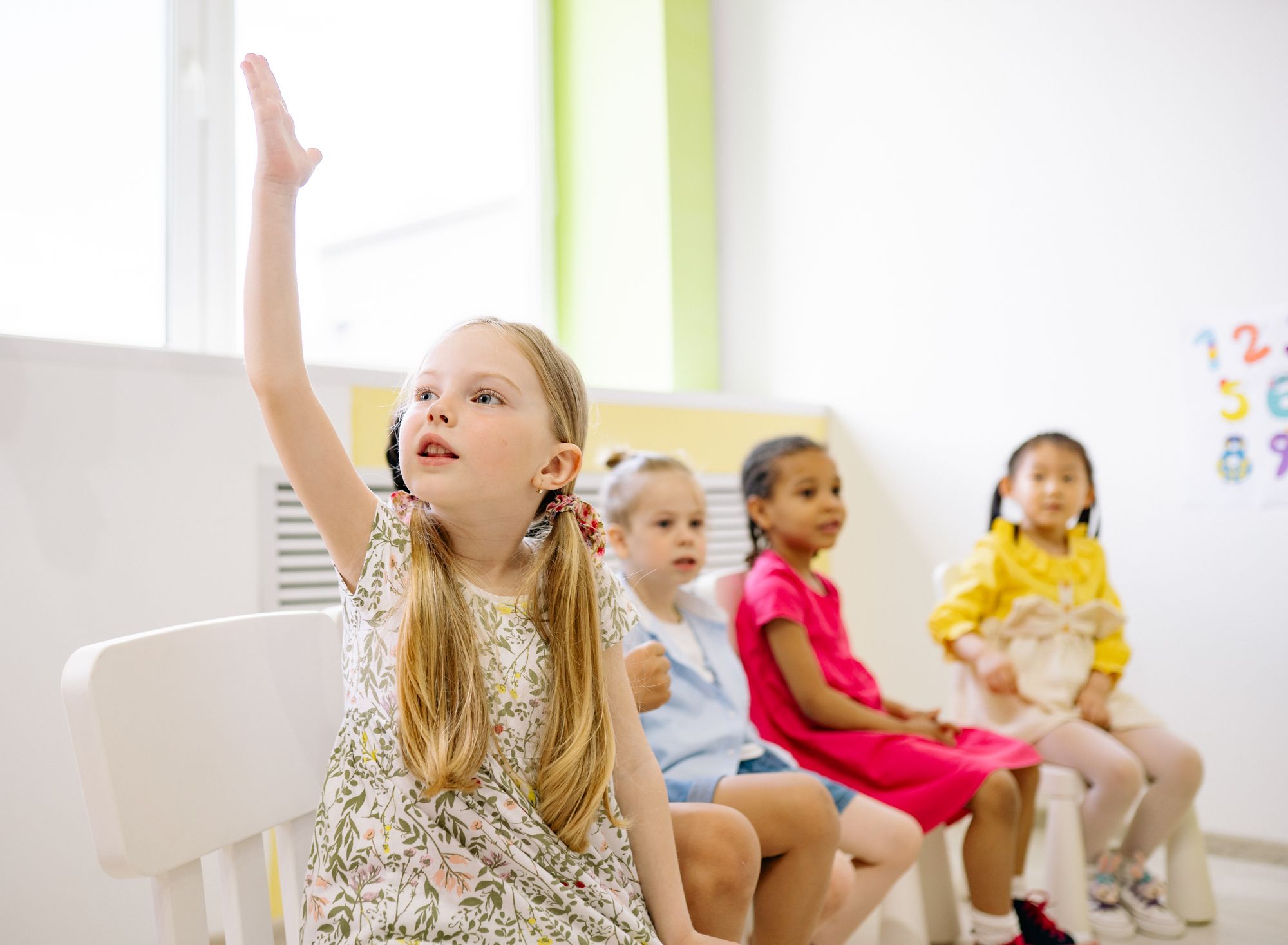
Children spend about half their waking hours in classrooms, and the air there shapes how well they learn, how often they show up, and how healthy they are. Poor indoor air raises the risk of airborne infection and asthma, drives absenteeism, and dulls concentration.
Schools are the right place to start. They are 10 to 15 percent of non-residential floor space in most countries and the largest category of crowded indoor space run by a small number of decision-makers. In the United States, the 200 largest districts enroll roughly a third of all students. A handful of decisions can change the air that millions of children breathe, and cut transmission in the wider community at the same time.
The obstacle is not the technology, which is mature and inexpensive. It is that no one has built the path that takes clean indoor air from a good idea to a funded line item in every major city. That path is what this program would build.

- ½
- of waking hours children spend in classrooms
- 10–15%
- of non-residential floor space is schools, in most countries
- ~⅓
- of US students enroll in the 200 largest districts
Clean indoor air is also a frontline defense against the next outbreak. Physical air cleaning works against any airborne pathogen, needs no advance knowledge of the threat, and keeps working in the weeks before anyone knows a new one is spreading.
How it would work
Scoping now. A competition, if it launches.
Right now we are scoping: testing demand and feasibility with cities and partners. If the competition launches, it would run roughly like this.
up to $75M If it launches, the program could direct catalytic capital on this order, with awards tiered by city size and ambition and matched by a substantial local contribution.
- 1
Apply as a coalition
Cities apply as coalitions, not as single offices.
- 2
Independent selection
An independent panel selects a cohort.
- 3
Capital and partnership
Selected cities receive capital and an operating partnership, and commit a substantial local match from city, state, district, or federal sources.
- 4
Funds follow results
Funding is released against independently verified deployment milestones, so the money follows real installations and sustained performance, not promises.
What we are looking for in a city
Cities ready to lead.
We are looking for cities ready to lead: a mayor’s office or district willing to put clean classroom air on the agenda, a coalition they can bring to the table, and a willingness to match investment locally. You do not need all of that solved to register. Registering interest starts the conversation and helps us shape a competition worth entering.
Ambition
A mayor’s office or district ready to put clean classroom air on the agenda.
A coalition
Partners you can bring to the table.
A local match
A willingness to match investment locally.
Where it starts
Year one is expected to focus on cities in the United States. Cities elsewhere are welcome to register interest for future rounds.
Why it matters
A handful of decisions can change the air that millions of children breathe.